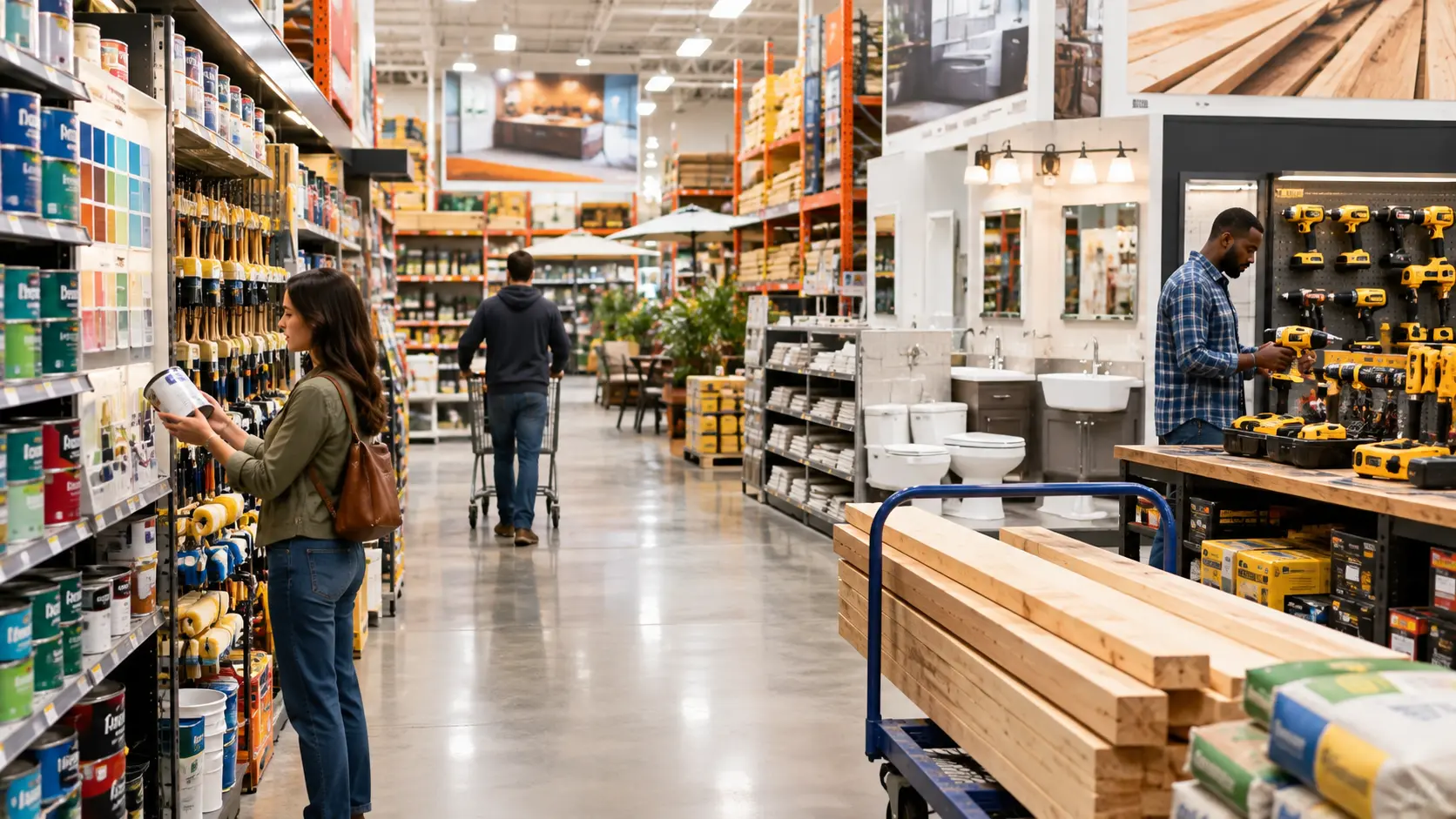

Home Improvement Store: A Practical Guide for Home Projects
A home improvement store is a retail store where homeowners, renters, contractors, and DIY enthusiasts can buy products for repairing, maintaining, upgrading, and decorating a home. These stores typically carry tools, building materials, hardware, paint, lighting, plumbing supplies, electrical products, flooring, garden items, and other household project supplies. Whether you are fixing a leaking faucet, painting a bedroom, installing shelves, or planning a larger renovation, a home improvement store can be a convenient place to find the materials and tools you need.
What Is a Home Improvement Store?
A home improvement store focuses on products and supplies used to build, repair, maintain, or improve residential spaces. Unlike a general supermarket, these stores are organized around home projects. Many also provide product information, installation-related services, project guidance, or equipment rental, although available services vary by store and location.
Common shoppers include:
- Homeowners
- Renters
- DIY enthusiasts
- Property managers
- Builders and contractors
- People working on small repairs
- Garden and outdoor-project enthusiasts
What Can You Buy at a Home Improvement Store?
The exact selection depends on the store, but most large home improvement retailers cover several major categories.
| Category | Common Products |
|---|---|
| Tools | Drills, screwdrivers, saws, hammers, measuring tools |
| Hardware | Screws, nails, brackets, hinges, locks |
| Paint | Interior paint, exterior paint, brushes, rollers |
| Plumbing | Pipes, fittings, faucets, valves, repair parts |
| Electrical | Switches, outlets, cables, lighting supplies |
| Building materials | Lumber, boards, drywall, adhesives |
| Flooring | Tiles, laminate, vinyl, flooring accessories |
| Kitchen | Cabinets, sinks, faucets, storage products |
| Bathroom | Toilets, showers, vanities, bathroom hardware |
| Outdoor | Garden tools, planters, fencing and outdoor supplies |
| Storage | Shelving, cabinets, bins and organizers |
For a small repair, you may only need one or two items. Larger renovation projects can require products from several departments.
Why Shop at a Home Improvement Store?
The biggest advantage is convenience. Instead of visiting several specialist shops, you may be able to find many project-related products in one place.
Wide Product Selection
A home improvement store can be useful when you need several different types of products for the same project.
For example, a simple wall-shelf project might require:
- Shelves
- Wall anchors
- Screws
- Brackets
- A drill
- A level
- A measuring tape
Finding these items together can make project planning easier.
Useful for DIY Projects
DIY projects often involve more than simply buying a finished product. You may need raw materials, tools, fasteners, and finishing products.
A home improvement retailer can help you gather these supplies before starting work.
Different Price Options
Many stores offer products at different price levels. This allows shoppers to compare basic, mid-range, and premium options based on their budget and project requirements.
However, the cheapest product is not always the best choice. Durability, compatibility, safety, and intended use should also be considered.
Project Convenience
If you are working on several parts of a home at once, buying related supplies from one retailer can save time.
Some stores also offer online ordering, pickup options, delivery, or other services, depending on location.
How to Choose the Right Home Improvement Store
Not every store will have the same selection or services. Before shopping, consider what your project actually requires.
Define Your Project
Start with a simple description of the job.
For example:
“I need to repaint a small bedroom.”
That is more useful than simply thinking, “I need home improvement supplies.”
Once you know the project, you can make a list of the materials and tools involved.
Make a Shopping List
Write down everything you expect to need.
For a basic painting project, your list might include:
- Paint
- Primer, if needed
- Paint rollers
- Brushes
- Paint tray
- Painter’s tape
- Drop cloth
- Sandpaper
- Cleaning supplies
A detailed list helps prevent unnecessary purchases and extra trips.
Check Product Compatibility
Compatibility is especially important for plumbing, electrical, hardware, and replacement parts.
Before buying a replacement item, check:
- Size
- Dimensions
- Connection type
- Material
- Voltage or electrical specifications where applicable
- Manufacturer requirements
- Existing product model information
If you are uncertain, take measurements or bring the old non-hazardous part or its product information when appropriate.
Compare Quality and Price
Do not compare products based only on price.
Consider:
- Expected durability
- Warranty information
- Material quality
- Intended use
- Installation requirements
- Maintenance needs
A slightly more expensive product may make sense if it is better suited to the project.
Home Improvement Store vs. Specialty Store
A home improvement retailer and a specialty store serve different shopping needs.
| Home Improvement Store | Specialty Store |
|---|---|
| Broad range of home products | Focuses on a specific category |
| Useful for general DIY projects | Useful for specialized products |
| Multiple departments | Deeper selection in one area |
| Convenient for shopping lists | Often useful for specialist advice |
For example, someone completing a basic bathroom repair may find most required supplies at a general home improvement retailer. A highly specialized renovation may require products or expertise from a dedicated supplier.
Tips for Saving Money on Home Improvement Projects
Home projects can become expensive when small purchases add up. A little planning can help control costs.
Buy for the Project, Not Just the Product
Think about the complete job before shopping. Buying a cheap item that does not work with your existing materials can lead to another purchase.
Measure Before You Buy
Measure rooms, walls, openings, pipes, shelves, and other relevant areas before purchasing materials.
Incorrect measurements can result in wasted materials.
Compare Similar Products
Look at several products that perform the same basic function. Check their specifications and intended use before making a decision.
Avoid Unnecessary Tools
If a tool is needed for only one small project, consider whether buying it makes sense. Depending on the situation, borrowing, renting, or using an existing compatible tool may be more practical.
Check Return Policies
Before purchasing large quantities or expensive products, understand the retailer’s current return and exchange rules.
This is particularly useful for items such as unused materials, fixtures, and tools.
Safety Tips When Shopping for Home Improvement Supplies
Buying the correct product is only part of a successful project. Safe use is equally important.
Always:
- Read product instructions before use.
- Follow manufacturer safety recommendations.
- Use appropriate protective equipment.
- Keep tools away from children.
- Check electrical products carefully before installation.
- Use proper ventilation when working with paints, adhesives, or chemicals.
- Turn off appropriate utilities before performing relevant repairs.
- Contact a qualified professional for work that requires specialized knowledge or licensing.
Electrical, gas, structural, and major plumbing work can present serious risks when performed incorrectly.
Common Mistakes to Avoid
Buying Without Measuring
A product can look suitable in the store but fail to fit once you get home.
Choosing Only by Price
Low cost does not automatically mean good value.
Forgetting Accessories
Some products require additional hardware or installation materials. Check what is included before purchasing.
Starting Without Instructions
Read the manufacturer’s instructions before installing or using unfamiliar products.
Buying Too Much Material
Estimate the required quantity carefully. For materials sold by area, length, weight, or volume, accurate measurements are especially important.
How to Make a Home Improvement Shopping Trip Easier
A simple preparation routine can make shopping much easier:
- Define the project.
- Measure the area or existing component.
- Create a complete materials list.
- Set a realistic budget.
- Check product specifications.
- Compare suitable options.
- Confirm what accessories are included.
- Review installation and safety requirements.
- Buy the required materials.
- Keep receipts and product information.
For a larger renovation, divide the shopping list into stages instead of purchasing everything at once.
When Should You Hire a Professional?
DIY work can be appropriate for simple projects, but some jobs should be handled by qualified professionals.
Consider professional help for projects involving:
- Major electrical work
- Gas systems
- Structural changes
- Significant plumbing modifications
- Roofing repairs
- Complex heating or cooling systems
- Work requiring permits or specialist certification
A professional can also be useful when the correct repair is unclear or when an error could create a safety problem.
Frequently Asked Questions
What is a home improvement store?
A home improvement store sells products used for repairing, maintaining, renovating, building, and decorating homes. Products commonly include tools, hardware, paint, plumbing supplies, electrical items, flooring, and building materials.
What should I buy from a home improvement store?
It depends on your project. Start with a materials list and include the main product, required installation parts, tools, and safety equipment.
Are home improvement stores good for DIY projects?
Yes. They can be useful for many DIY jobs because they often carry both materials and tools needed for common household projects.
How do I choose the right products?
Check the product’s size, specifications, compatibility, intended use, quality, and price. For technical products, follow the manufacturer’s requirements.
Can I get help with a home improvement project?
Some retailers provide project information, installation-related services, delivery, tool rental, or other assistance. Services vary, so check the specific store and location before relying on them.
Conclusion
A home improvement store can make home repairs, maintenance, DIY projects, and renovations easier by bringing many useful products together in one place. The key is to plan before shopping, measure carefully, compare suitable products, and understand the requirements of your project. For simple jobs, a well-prepared shopping list may be all you need. For complex or potentially dangerous work, getting professional help can be the safer choice.

💬 Leave a Comment
Leave a Comment