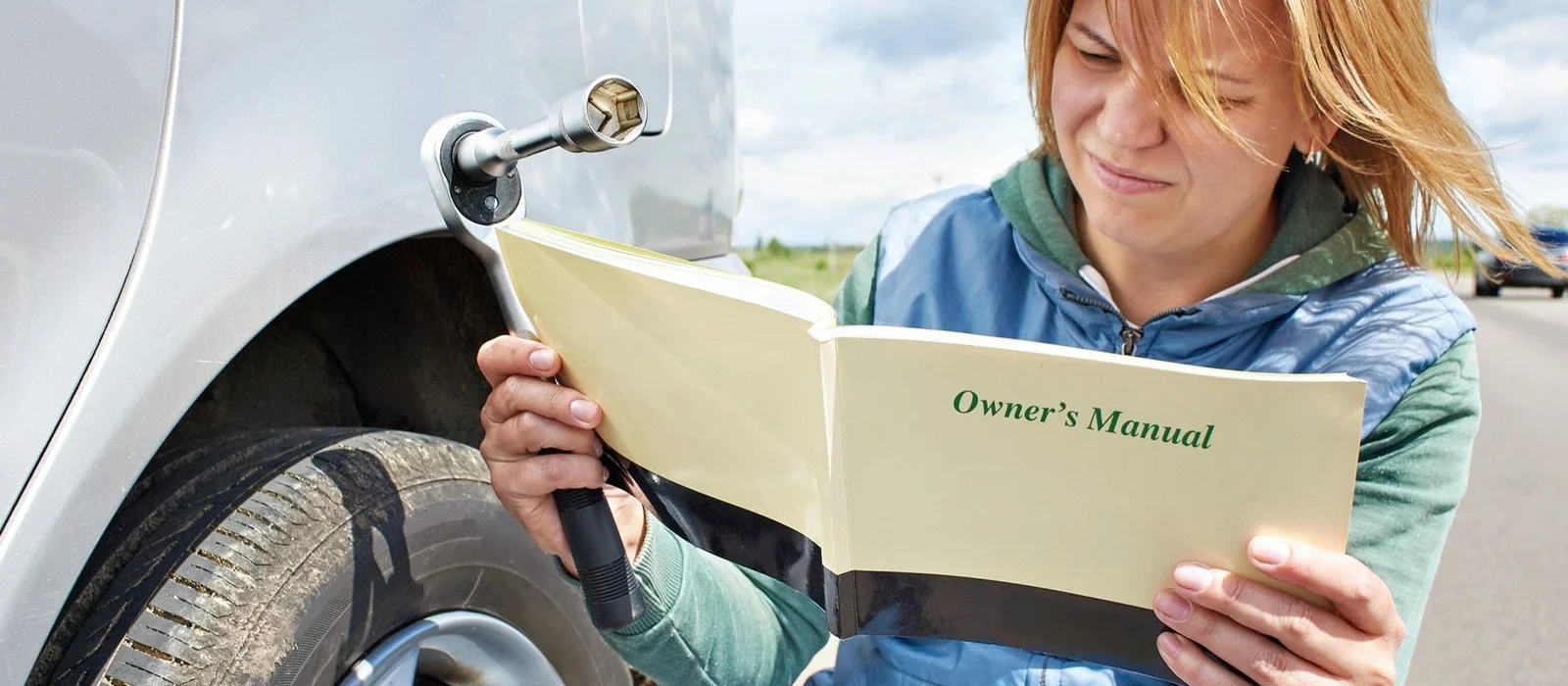

Automotive Repair: A Practical Guide to Car Maintenance and Repairs
Automotive repair involves inspecting, maintaining, diagnosing, and fixing vehicles so they can operate safely and reliably. It can range from simple tasks such as replacing engine oil or brake pads to more complex work involving electrical systems, transmissions, engines, and computer-controlled components.
The right approach depends on the problem. Some basic maintenance can be handled by an experienced vehicle owner, while safety-critical or complex repairs are usually better left to a qualified technician.
What Is Automotive Repair?
Automotive repair is the process of identifying vehicle problems and restoring affected components to proper working condition.
Modern vehicles contain many interconnected systems, including:
- Engine
- Transmission
- Braking system
- Steering system
- Suspension
- Electrical system
- Cooling system
- Exhaust and emissions system
- Fuel system
- Air conditioning and heating
- Electronic control systems
A repair shop may handle one specific problem or perform a complete inspection to identify several issues.
Why Is Automotive Repair Important?
Regular maintenance and timely repairs can help prevent minor problems from becoming more serious.
For example, a small coolant leak may seem unimportant at first. If ignored, low coolant can contribute to overheating and potentially cause expensive engine damage.
Similarly, worn brake components can affect stopping performance and should not be ignored.
Good vehicle maintenance can help you:
- Maintain safe vehicle operation
- Identify problems earlier
- Reduce unexpected breakdowns
- Protect important components
- Maintain reliable performance
- Keep service records organized
- Avoid unnecessary repair costs
Common Automotive Repair Services
The exact services offered by a repair shop vary, but several types of work are common.
Engine Repair
The engine is one of the most complicated parts of a vehicle.
Engine-related repairs can involve symptoms such as:
- Unusual noises
- Rough running
- Difficulty starting
- Loss of power
- Excessive smoke
- Overheating
- Warning lights
A technician should diagnose the underlying cause before replacing major engine components.
Brake Repair
The braking system is critical for vehicle safety.
Common brake-related services include inspection and replacement of worn components such as brake pads, depending on the vehicle’s design and condition.
Warning signs can include:
- Grinding or unusual brake noise
- Vehicle pulling while braking
- Brake pedal changes
- Vibration during braking
- A brake warning light
Brake problems should be inspected promptly rather than ignored.
Battery and Electrical Repair
Modern vehicles rely heavily on electrical systems.
Problems may involve:
- Battery
- Alternator
- Starter
- Wiring
- Fuses
- Sensors
- Lights
- Electronic control modules
A vehicle that repeatedly struggles to start may have a weak battery, charging-system problem, starter issue, or another electrical fault. Proper testing is important because replacing the battery alone may not solve the underlying problem.
Transmission Repair
The transmission transfers engine power to the wheels and allows the vehicle to operate at different speeds.
Potential transmission problems may include:
- Difficulty shifting
- Delayed engagement
- Unusual noises
- Fluid leaks
- Slipping
- Warning lights
Transmission repairs can be complex, so professional diagnosis is often appropriate.
Suspension and Steering Repair
Suspension components help support the vehicle and control its movement, while steering components allow the driver to control direction.
Possible warning signs include:
- Uneven tire wear
- Excessive bouncing
- Vehicle pulling to one side
- Steering vibration
- Unusual knocking sounds
- Loose or unusual steering feel
Because steering and suspension affect vehicle control, problems should be inspected rather than diagnosed solely by appearance.
Cooling System Repair
The cooling system helps keep the engine within its intended operating temperature.
Components can include:
- Radiator
- Coolant
- Water pump
- Thermostat
- Cooling fans
- Hoses
Signs of a cooling-system problem may include overheating, coolant loss, or visible leaks.
Preventive Maintenance vs. Repair
It helps to understand the difference between maintenance and repair.
| Preventive Maintenance | Automotive Repair |
|---|---|
| Performed to reduce the chance of problems | Performed after a problem is identified |
| Includes routine inspections | Addresses a specific fault |
| Oil and filter service may be included | May involve replacing failed components |
| Helps monitor vehicle condition | Restores affected systems |
| Usually planned in advance | May be unexpected |
Preventive maintenance does not guarantee that a vehicle will never break down, but it helps identify wear and developing problems.
How to Know When Your Car Needs Repair
Some problems are obvious, while others require professional diagnosis.
Pay attention to changes such as:
Dashboard Warning Lights
A warning light can indicate a problem with a vehicle system. Do not automatically assume that a warning light is harmless.
The appropriate response depends on the warning and vehicle. A flashing or serious warning may require stopping safely and seeking assistance.
Strange Sounds
New sounds can provide useful clues.
Examples include:
- Grinding
- Clicking
- Knocking
- Squealing
- Hissing
- Rattling
The location and conditions under which the noise occurs can help a technician identify its source.
Changes in Vehicle Performance
A vehicle may need inspection if you notice:
- Reduced acceleration
- Poor starting
- Rough idling
- Reduced braking performance
- Steering changes
- Unusual vibration
- Changes in fuel consumption
Do not wait for a complete breakdown before investigating persistent symptoms.
How Automotive Diagnostics Works
Modern automotive repair often begins with diagnosis rather than immediate parts replacement.
A technician may:
- Talk with the vehicle owner about the symptoms.
- Perform a visual inspection.
- Check relevant fluid levels and components.
- Test the vehicle when appropriate.
- Use diagnostic equipment when needed.
- Check electrical signals or system data.
- Identify possible causes.
- Confirm the fault before recommending a repair.
An electronic diagnostic scan can provide useful information, but a scan code does not always identify the exact failed component.
For example, a sensor-related code may require additional testing to determine whether the sensor itself, its wiring, or another system is responsible.
How to Choose an Automotive Repair Shop
Choosing a repair shop should involve more than comparing the lowest price.
Check the Shop’s Experience
Ask whether the shop regularly works on your vehicle’s make, model, and type of repair.
Some vehicles require specialized diagnostic equipment or technical knowledge.
Ask for a Clear Explanation
A reputable repair provider should be able to explain:
- What problem was identified
- Why the repair is recommended
- Which components are involved
- What work will be performed
- What parts will be used
- What the estimated cost is
Request a Written Estimate
A written estimate can make it easier to understand the expected work and compare options.
Ask whether additional work will require your approval.
Understand the Warranty
Before authorizing a repair, ask about any warranty covering parts and labor.
The terms can differ between repair shops and parts suppliers.
How to Save Money on Automotive Repair
Vehicle repairs can become expensive, but careful decisions can help control costs.
Follow the Maintenance Schedule
Regular maintenance can help detect wear before it develops into a larger problem.
Follow the maintenance recommendations appropriate for your specific vehicle.
Do Not Ignore Warning Signs
Ignoring a small problem can sometimes lead to additional damage.
If a warning light appears or the vehicle behaves differently, getting it checked early may be worthwhile.
Compare Estimates
For non-emergency repairs, you can request estimates from more than one reputable shop.
Make sure you compare the same scope of work rather than comparing prices alone.
Ask About Parts
Ask what type of replacement parts will be installed and whether there are suitable alternatives.
The correct choice depends on the vehicle, repair, budget, and manufacturer’s requirements.
Simple Automotive Maintenance You Can Do
Some basic checks are suitable for many vehicle owners, provided they follow the owner’s manual and appropriate safety procedures.
Depending on the vehicle, you may be able to:
- Check tire pressure
- Inspect tires visually
- Check certain fluid levels
- Replace windshield wipers
- Replace some air filters
- Check exterior lights
- Keep service records
- Monitor dashboard warnings
Always consult the vehicle’s manual because maintenance procedures and specifications differ between vehicles.
Repairs Better Left to Professionals
Some automotive work involves significant safety risks or requires specialized equipment.
Professional assistance is generally appropriate for complex work involving:
- Braking systems
- Steering components
- Airbag systems
- Major engine repairs
- Transmission work
- Advanced electrical faults
- Fuel systems
- High-voltage hybrid or electric vehicle systems
- Structural damage
Hybrid and electric vehicles require particular caution because their high-voltage systems can present serious hazards. Work on these systems should be performed by appropriately trained professionals.
How to Prepare for an Automotive Repair Visit
You can make the diagnostic process easier by providing useful information.
Before visiting the shop, note:
- When the problem started
- What symptoms you noticed
- Whether the problem occurs when starting, accelerating, braking, or turning
- Whether any warning light appeared
- Any unusual sounds or smells
- Recent repairs or maintenance
- Whether the problem happens constantly or occasionally
If it is safe to do so, photos or videos of unusual sounds, warning messages, or visible leaks can also help explain intermittent problems.
Common Automotive Repair Mistakes to Avoid
Ignoring Warning Lights
A warning light should not automatically be dismissed because the vehicle still drives normally.
Replacing Parts Without Diagnosis
Changing parts based only on a guess can waste money and may leave the original problem unresolved.
Using the Wrong Fluids
Different vehicles require specific fluids and specifications. Always check the owner’s manual or manufacturer guidance.
Delaying Safety Repairs
Problems involving brakes, tires, steering, or other safety-critical systems deserve prompt attention.
Choosing Only the Cheapest Estimate
A low estimate may not include the same parts, labor, or scope of work as another estimate.
Automotive Repair Checklist
Before approving a repair, consider this quick checklist:
- What exactly is wrong?
- Has the problem been properly diagnosed?
- What repair is being recommended?
- Is the repair urgent?
- What parts will be installed?
- What is the estimated labor cost?
- Are additional repairs possible?
- Does the repair include a warranty?
- When should the vehicle be inspected again?
This can help you make a more informed decision without rushing into unnecessary work.
Frequently Asked Questions
What does automotive repair include?
Automotive repair can include work on engines, transmissions, brakes, suspension, steering, electrical systems, cooling systems, air conditioning, and other vehicle components.
How often should a car be serviced?
Service intervals vary by vehicle. Follow the maintenance schedule provided by the vehicle manufacturer and consider the vehicle’s age, mileage, operating conditions, and condition.
Should I repair my car or replace it?
There is no single answer. Consider the vehicle’s condition, repair cost, reliability, safety, age, and your financial situation. A qualified inspection can help you understand the vehicle’s current condition.
Why is vehicle diagnosis important?
Diagnosis helps identify the underlying cause of a problem before parts are replaced. This can reduce unnecessary repairs and help ensure the correct problem is addressed.
Can I perform automotive repairs myself?
Some basic maintenance tasks may be suitable for experienced DIY owners. Complex or safety-critical repairs should generally be handled by properly trained professionals.
Conclusion
Automotive repair is an essential part of keeping a vehicle safe, reliable, and functional. Regular maintenance, attention to warning signs, and proper diagnosis can help prevent avoidable problems and make repairs easier to manage. For simple maintenance, vehicle owners can handle some tasks themselves by following the owner’s manual. For complex, electrical, high-voltage, or safety-critical work, using a qualified automotive professional is the safer approach.

💬 Leave a Comment
Leave a Comment